The History of Oktoberfest: From Munich to Chicago
Chad Tracy • July 27, 2026

Oktoberfest feels timeless, like it's always existed in some form, complete with steins, Oompah bands, and rows of picnic tables full of people singing along to a song they don't quite know the words to. But the celebration has a real origin story, one that starts with a royal wedding in Munich over two centuries ago and eventually makes its way to a five-week celebration in Chicago's Fulton Market. Understanding where Oktoberfest comes from makes the modern version, including Chicago Oktoberfest, feel even more meaningful.

Here's a look at how a 19th-century wedding celebration became the largest folk festival in the world, and how that same spirit found its way to Chicago.

How Oktoberfest Began in Munich

A Royal Wedding Sparks a Tradition

Oktoberfest traces back to October 12, 1810, when Crown Prince Ludwig of Bavaria married Princess Therese of Saxony-Hildburghausen. To celebrate, the citizens of Munich were invited to attend the festivities on the fields in front of the city gates, an area that was later named Theresienwiese, or "Theresa's Meadow," in honor of the princess. Locals still refer to the fairgrounds as the "Wiesn" today, a nod to that original name.

From Wedding Party to Annual Tradition

The wedding celebration included horse races, and the event was such a hit with the public that the people of Munich decided to repeat it the following year. Over time, the horse races faded out, but the festival stuck around, growing to include agricultural fairs, carnival rides, and eventually the beer tents that Oktoberfest is best known for today.

The Purity Law and the Beer Connection

A major part of what makes Oktoberfest beer distinct is the Reinheitsgebot, or Purity Law, established in Bavaria in 1516. The law originally set strict standards for what could go into beer, limiting it to water, barley, and hops. Breweries like Hofbräuhaus München still honor that standard today, which is part of why beer brewed under the Purity Law carries so much weight for anyone serious about German brewing tradition.

Oktoberfest Grows Into a Global Celebration

Munich's Festival Today

Modern Oktoberfest in Munich draws millions of visitors every year to Theresienwiese, spanning massive beer tents run by Munich's biggest breweries, alongside carnival games, parades, and traditional Bavarian food. It's grown far beyond its royal wedding roots into one of the most recognized cultural festivals in the world, and it's the direct inspiration for every Oktoberfest celebration held outside of Germany.

German Immigration and Oktoberfest in America

As German immigrants settled across the United States throughout the 19th and 20th centuries, they brought Oktoberfest traditions with them, setting up beer halls and seasonal festivals in cities with strong German communities. Chicago, with its long history of German immigration, was a natural home for that tradition to take root and grow over the decades that followed.

Oktoberfest Comes to Chicago

Building on a Local Legacy

Chicago Oktoberfest carries that same lineage forward, led by Mike Matushka, the original mastermind behind Hofbräuhaus Chicago. That background matters, since it means the fest isn't a first attempt at bringing German tradition to the city; it's a continuation of work that's already helped shape what a German Festival Chicago experience should look and feel like.

Fulton Market as the New Home

For Chicago Oktoberfest 2026, the celebration lands in Fulton Market, one of the city's most walkable and design-forward neighborhoods. Setting Fulton Market Oktoberfest in this part of the city gives the fest a modern backdrop while still keeping the traditions front and center, from the imported Hofbräuhaus München beer to the live German bands and stein-holding contests that echo the original Munich celebration.

What Makes This Bavarian Festival Chicago Experience Authentic

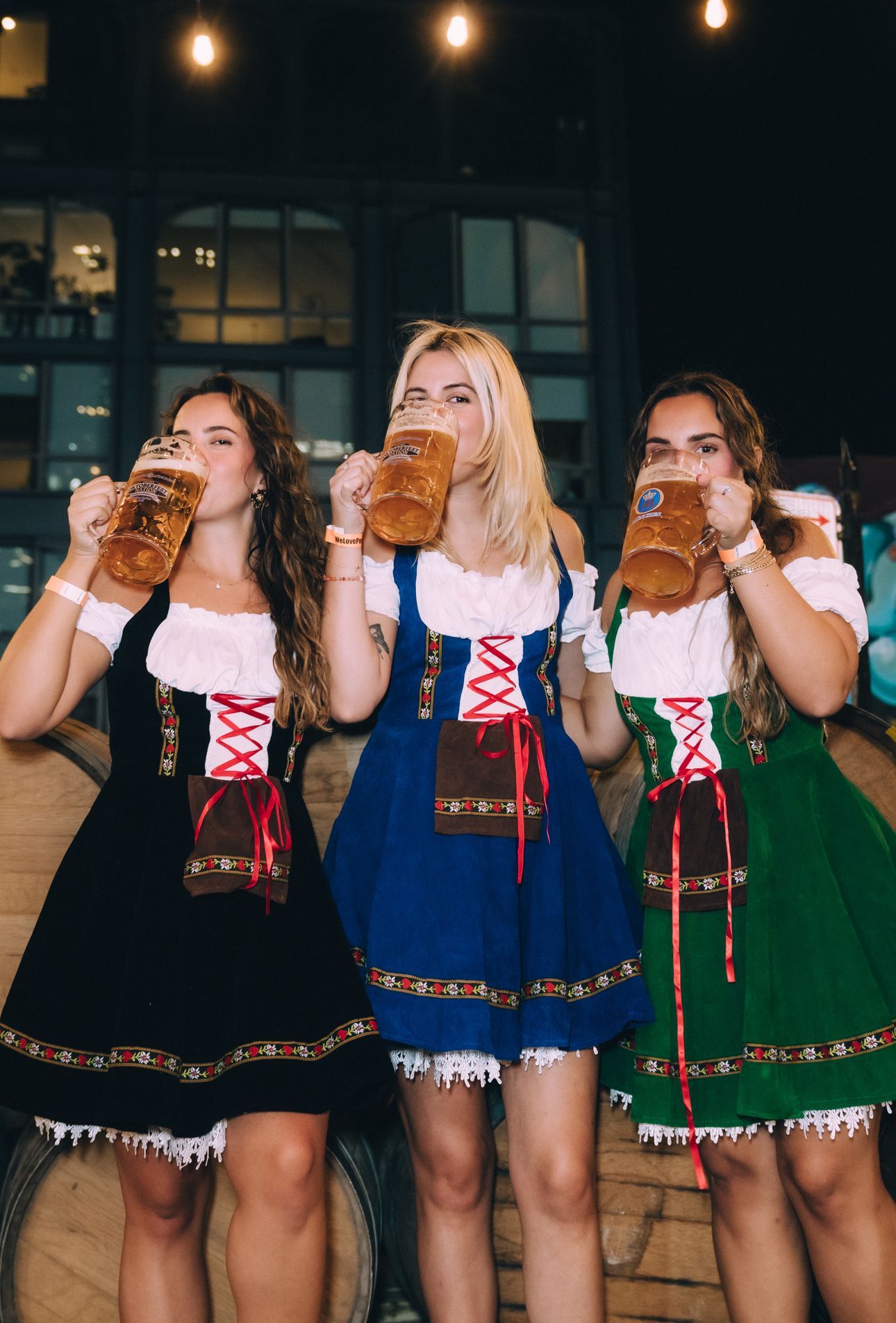
A few details tie Chicago's version directly back to its Munich roots. The beer is genuinely imported from Hofbräuhaus and brewed under the same 1516 Purity Law. The music leans on traditional Oompah bands rather than a generic cover act. And the emphasis on lederhosen, dirndls, and a proper costume contest keeps the visual identity of the fest connected to centuries of Bavarian tradition, rather than treating it as just a theme.

Why the History Still Matters Today

More Than Just a Party

Knowing the backstory changes how the fest feels once you're actually there. Raising a stein at Oktoberfest Chicago isn't just a fun afternoon; it's a small participation in a tradition that started with a royal wedding, grew into Germany's largest folk festival, and made its way across an ocean and into a Chicago neighborhood over two centuries later.

A Tradition Worth Continuing

Every stein-holding contest, every Oompah band, and every plate of bratwurst at Chicago Oktoberfest 2026 is a nod back to that original celebration on Theresienwiese. It's part of what separates an authentic Oktoberfest in Chicago from a generic beer garden with a fall theme slapped on top.

Experience the Tradition at Fulton Market

Now that you know the story behind the celebration, it's a good time to start planning your own visit. Chicago Oktoberfest 2026 returns to Fulton Market on Friday, September 11, 2026, for five weeks only, bringing over 200 years of Bavarian tradition to one of the city's most exciting fall events. Join the waitlist today to be the first to know when Oktoberfest Chicago tickets go live.

FAQs

Where did Oktoberfest originally start?

Oktoberfest began in Munich in 1810 as a celebration of Crown Prince Ludwig's wedding to Princess Therese of Saxony-Hildburghausen.

Why is Oktoberfest beer considered authentic? 

It's brewed under Bavaria's 1516 Purity Law, a standard still followed by breweries like Hofbräuhaus München.

How did Oktoberfest come to the United States? 

German immigrants brought Oktoberfest traditions with them as they settled across American cities, including Chicago, throughout the 19th and 20th centuries.

Is Chicago Oktoberfest connected to the original Munich festival? 

Yes, it draws on the same traditions, from imported Hofbräuhaus beer to live Oompah bands and traditional Bavarian attire.

When is Oktoberfest Chicago 2026? It returns to Fulton Market on Friday, September 11, 2026, for five weeks only.
By Chad Tracy July 27, 2026
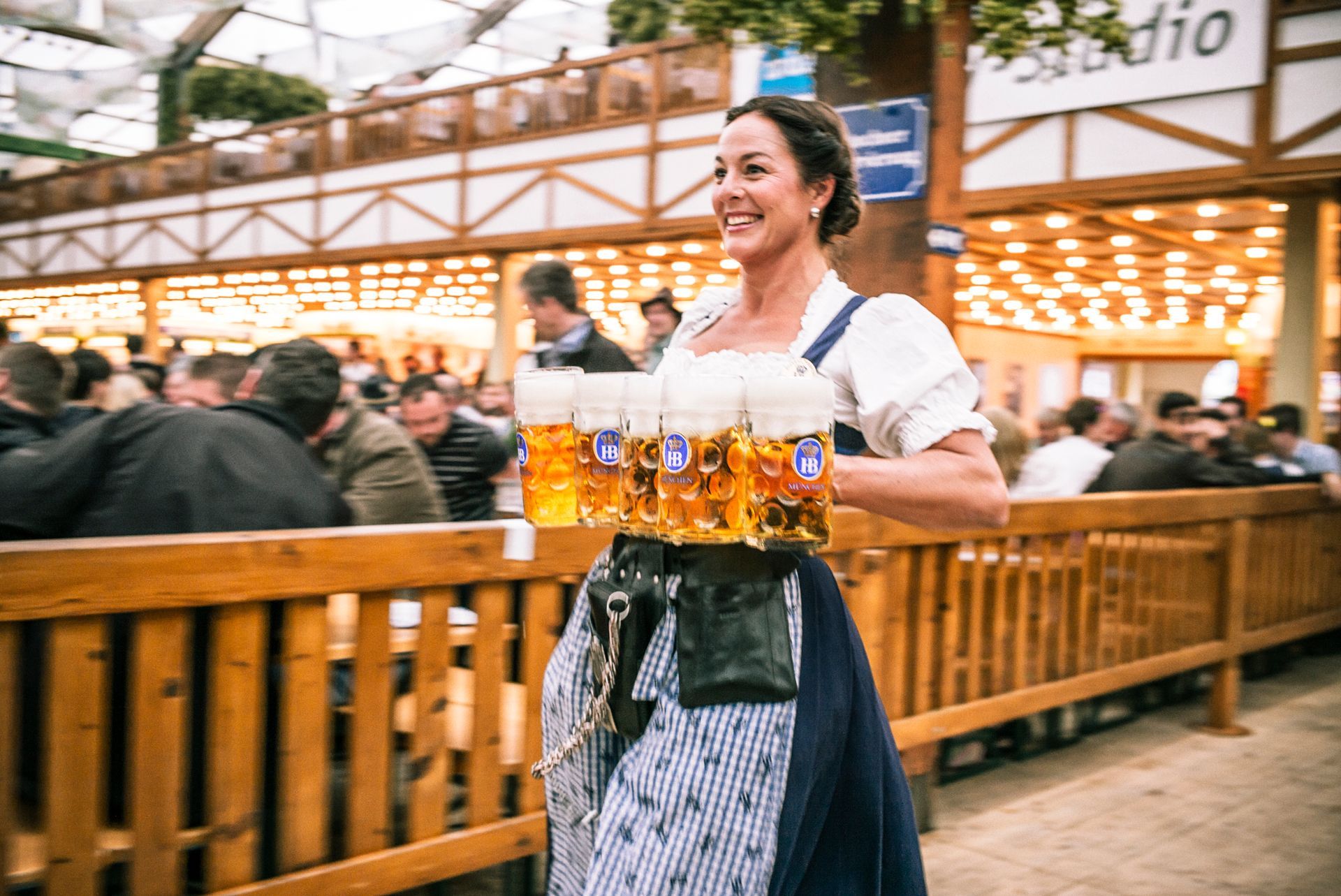
If you're already planning your fall around it, you're not alone. Oktoberfest Chicago 2026 is shaping up to be one of the biggest Chicago fall events of the year , and the details are starting to come together. Whether you're locking in dates with your crew or just trying to figure out when tickets drop, here's everything you need to know about this year's Fulton Market Oktoberfest, all in one place. When Is Oktoberfest Chicago 2026? Chicago Oktoberfest 2026 returns on Friday, September 11, 2026, and runs for five weeks only. That five-week stretch means more flexibility than a typical one-weekend festival, so you've got plenty of chances to build it into your calendar of things to do in Chicago in September, whether that's opening weekend or a quieter night a few weeks in. Where Is Oktoberfest Chicago Held? This year's celebration is set in Fulton Market, one of Chicago's most walkable, design-forward neighborhoods. The festival grounds sit at 171 N Peoria St, Chicago, IL 60607, right in the heart of an area already known for great food, bars, and nightlife. It's a fitting home for the largest Oktoberfest in Chicago, giving guests a chance to explore the neighborhood before or after diving into the fest itself. Who's Behind Chicago Oktoberfest 2026? This year's fest is led by Mike Matushka, the original mastermind behind Hofbräuhaus Chicago. That matters for anyone weighing whether this is worth their time, because it means the event is being run by someone who's already spent years building authentic German festival experiences in Chicago, not a first attempt at capturing the tradition. What to Expect: Beer, Food & Entertainment Beer, Straight From Munich Every pour at Chicago Oktoberfest comes from Hofbräuhaus München, brewed under the Bavarian Purity Law of 1516. It's one of the details that separates this Chicago beer festival from the many Oktoberfest-branded events that lean on domestic beer with little actual connection to Germany. Food Built for Sharing Expect giant pretzels, juicy brats, and traditional German sausages throughout the fest, the kind of food made to be shared over a long table and a few rounds of steins. Full Bars and Festive Sips Beyond beer, the full bars pour crisp Hofbräuhaus Hefeweizens, spiced apple cider mules, and the fest's own Prost Punch, along with cinnamon schnapps and other Bavarian-inspired creations made specifically for the event. Live Entertainment All Weekend Live Oompah bands and rotating DJ sets keep the music going from the first pour to the final Prost. Add in stein-holding contests, carnival games, The Devil's Wheel, and a costume contest, and there's always something happening beyond just the drinks. How Oktoberfest Chicago Tickets Work Oktoberfest Chicago tickets haven't officially dropped yet, but with a five-week run and consistent demand from past years, the best weekends and time slots tend to move quickly once they do. The most reliable way to get early access is to join the waitlist ahead of the official release, so you're not refreshing the page trying to catch tickets after the fact. Understanding Ticket Times Once tickets are live, you'll likely book a specific date and entry time. Keep an eye on official ticket details closer to the event for guidance on what your time slot means and how long you're expected to stay within it. Is Oktoberfest Chicago Family-Friendly? The fest is built around beer, live entertainment, and a lively bar scene, so it leans more toward an adult crowd than a family outing. Check the official FAQ closer to the event date for specific guidance if you're considering bringing kids. What Should You Wear? Costume culture is a big part of the experience, so lederhosen and dirndls are common sights throughout the fest. If you don't already own traditional German clothing, don't worry; outfits are available on-site, and there's a costume contest running throughout the event if you want to make the effort worth it. Practical Details to Know Before You Go A few logistics worth planning around: the fest is set up with full bars, food, and entertainment on-site, so outside food and drinks generally aren't part of the experience. Bathroom facilities are available on the grounds, and if you're driving, it's worth checking nearby Fulton Market parking options in advance since street parking can fill up fast during peak weekends. Re-entry policies, payment methods, and walk-up availability will all be outlined in the official ticket details as the event approaches. Why Chicago Oktoberfest 2026 Is Worth Planning For Between the imported Hofbräuhaus München beer, the live Oompah bands, and a setting in one of the city's best neighborhoods, this year's fest has all the makings of the best Oktoberfest Chicago has seen yet. It's not just a single night out; it's a five-week celebration that gives you room to make it a recurring part of your September plans rather than a one-and-done outing. Stay Ahead of the Crowd The details are still coming together, but the shape of Chicago Oktoberfest 2026 is already clear: five weeks in Fulton Market, real Hofbräuhaus München beer, and everything that makes a Bavarian Festival Chicago experience feel like the real thing. Join the waitlist today to be the first to know when Oktoberfest Chicago tickets go live, and get ready to raise a stein come September 11. FAQs When is Oktoberfest Chicago 2026? It returns to Fulton Market on Friday, September 11, 2026, and runs for five weeks. Where is Oktoberfest Chicago 2026 located? Fulton Market, Chicago, at 171 N Peoria St, Chicago, IL 60607. When do Oktoberfest Chicago tickets go on sale? Tickets haven't officially dropped yet. Join the waitlist to be the first to know when they're available. Is Oktoberfest Chicago family-friendly? It leans toward an adult crowd given the focus on beer and nightlife. Check official guidance closer to the event if you're bringing kids. Do I need a costume to attend? No, but lederhosen and dirndls are a big part of the experience, and outfits are available on-site if you don't have your own.
By Chad Tracy July 27, 2026
Every fall, two versions of the same tradition draw millions of people toward a stein of beer and a plate of bratwurst: the original Oktoberfest in Munich and the growing wave of celebrations it inspired around the world, including Oktoberfest Chicago. If you've experienced one but not the other, or you're just curious how a Chicago Oktoberfest stacks up against the real thing , it's a fair question. They share the same roots, but the scale, setting, and day-to-day experience look pretty different. Here's a full breakdown of how Oktoberfest Chicago compares to Munich's original celebration, so you know exactly what to expect from each. The Origins of Each Celebration Munich: Where It All Started Munich's Oktoberfest dates back to 1810, when it began as a royal wedding celebration for Crown Prince Ludwig and Princess Therese of Saxony-Hildburghausen. Over two centuries later, it's grown into the largest folk festival in the world, held annually on the Theresienwiese fairgrounds, still known locally as the "Wiesn." Chicago: A Modern Tribute to Tradition Chicago Oktoberfest is a modern celebration built on that same Bavarian tradition, led by Mike Matushka, the original mastermind behind Hofbräuhaus Chicago. Rather than a centuries-old institution, it's a newer, five-week event set in Fulton Market, designed to bring authentic German Festival Chicago energy to a city with a long history of German immigration. Size and Scale Munich's Massive Footprint Munich's Oktoberfest spans an enormous fairground with more than a dozen major beer tents, some capable of holding thousands of people at once, alongside carnival rides, food stalls, and parades that draw crowds from around the world for over two weeks each fall. Chicago's Neighborhood Feel Chicago Oktoberfest 2026 takes a different approach, running for five weeks in Fulton Market, one of the city's most walkable and design-forward neighborhoods. It trades Munich's sprawling scale for a more concentrated, neighborhood-driven experience, which makes it easier to see and do everything in a single visit without navigating fairground-sized crowds. The Beer Munich's Big Six Breweries At the original festival, only six official Munich breweries are permitted to serve beer under the Oktoberfest name, each brewing a special stronger seasonal batch specifically for the event. Hofbräuhaus München at Fulton Market Chicago Oktoberfest keeps the connection to Munich authentic by pouring beer directly from Hofbräuhaus München, one of Munich's most iconic breweries, brewed under the Bavarian Purity Law of 1516. It's a meaningful detail for anyone comparing Chicago beer festival options, since a lot of Oktoberfest-branded events in the U.S. serve domestic beer with little connection to Germany at all. Food and Drink Traditional Bavarian Fare in Both Cities Both celebrations lean on the same core lineup: bratwurst, pretzels, and hearty German dishes built for sharing over a long table. Munich's version includes an even wider range of regional specialties given its scale, while Chicago focuses on the crowd favorites that define the experience. Cocktails and Modern Additions in Chicago Chicago Oktoberfest also adds a few modern touches to the drink menu , including Prost Punch, spiced apple cider mules, and cinnamon schnapps, giving guests festive options beyond just beer. It's a small departure from Munich's more beer-centric approach, and one that makes the fest a bit more approachable for a mixed group. Entertainment and Activities Munich's Time-Honored Traditions Munich's Oktoberfest features a traditional opening ceremony, a costume and riflemen's parade, carnival rides, and Oompah bands performing inside each beer tent throughout the day. Chicago's Take on the Classics Chicago Oktoberfest brings many of the same elements into a smaller footprint, including live German bands, DJ sets, stein-holding contests, and carnival games. It also adds its own signature moment with The Devil's Wheel, a game of chance and dares that's become one of the more talked-about parts of the Chicago experience. Attire and Costume Culture A Shared Love of Lederhosen and Dirndls Both celebrations lean heavily on traditional Bavarian clothing, with lederhosen and dirndls worn by a large share of attendees at each event. Munich's costume culture runs deep, given the festival's history, while Chicago Oktoberfest outfits follow the same spirit, backed by a costume contest that rewards attendees who go all in on the look. Accessibility and Convenience Munich Requires More Planning Attending Munich's Oktoberfest usually means international travel, planning for tent reservations, and navigating a festival that can draw over six million visitors across its run. Chicago Offers a Closer-to-Home Alternative For anyone who can't make the trip to Germany, Oktoberfest Chicago offers a way to experience many of the same traditions without leaving the Midwest. It's a big part of why it's become one of the best things to do in Chicago in September, and one of the more popular fall festivals Chicago has to offer. So, Which One Should You Choose? If international travel, a multi-week trip, and the chance to stand inside Munich's original tents are on the table, nothing fully replaces the real thing. But if you're looking for an authentic, well-executed Bavarian Festival Chicago experience without booking a flight, Chicago Oktoberfest delivers many of the same core elements: real Hofbräuhaus München beer, live German bands, traditional food, and a costume culture that takes the tradition seriously. Experience Oktoberfest, Chicago-Style Chicago Oktoberfest 2026 returns to Fulton Market on Friday, September 11, 2026, for five weeks only, bringing genuine Munich tradition to one of the city's most exciting fall events. Join the waitlist today to be the first to know when Oktoberfest Chicago tickets go live. FAQs Is Oktoberfest Chicago the same as Munich's Oktoberfest? No, but it draws directly on the same traditions, including imported Hofbräuhaus München beer, live German bands, and traditional Bavarian attire. Which is bigger, Munich or Chicago Oktoberfest? Munich's Oktoberfest is significantly larger, spanning a massive fairground and drawing millions of visitors, while Chicago Oktoberfest offers a more concentrated, neighborhood-based experience in Fulton Market. Does Chicago Oktoberfest serve real German beer? Yes, it pours beer directly from Hofbräuhaus München, brewed under Bavaria's 1516 Purity Law. Is it worth attending Oktoberfest Chicago if I can't travel to Munich? Yes, it's designed to bring authentic Bavarian traditions to Chicago for anyone who wants the experience without international travel. When does Oktoberfest Chicago 2026 take place? It returns to Fulton Market on Friday, September 11, 2026, for five weeks only.
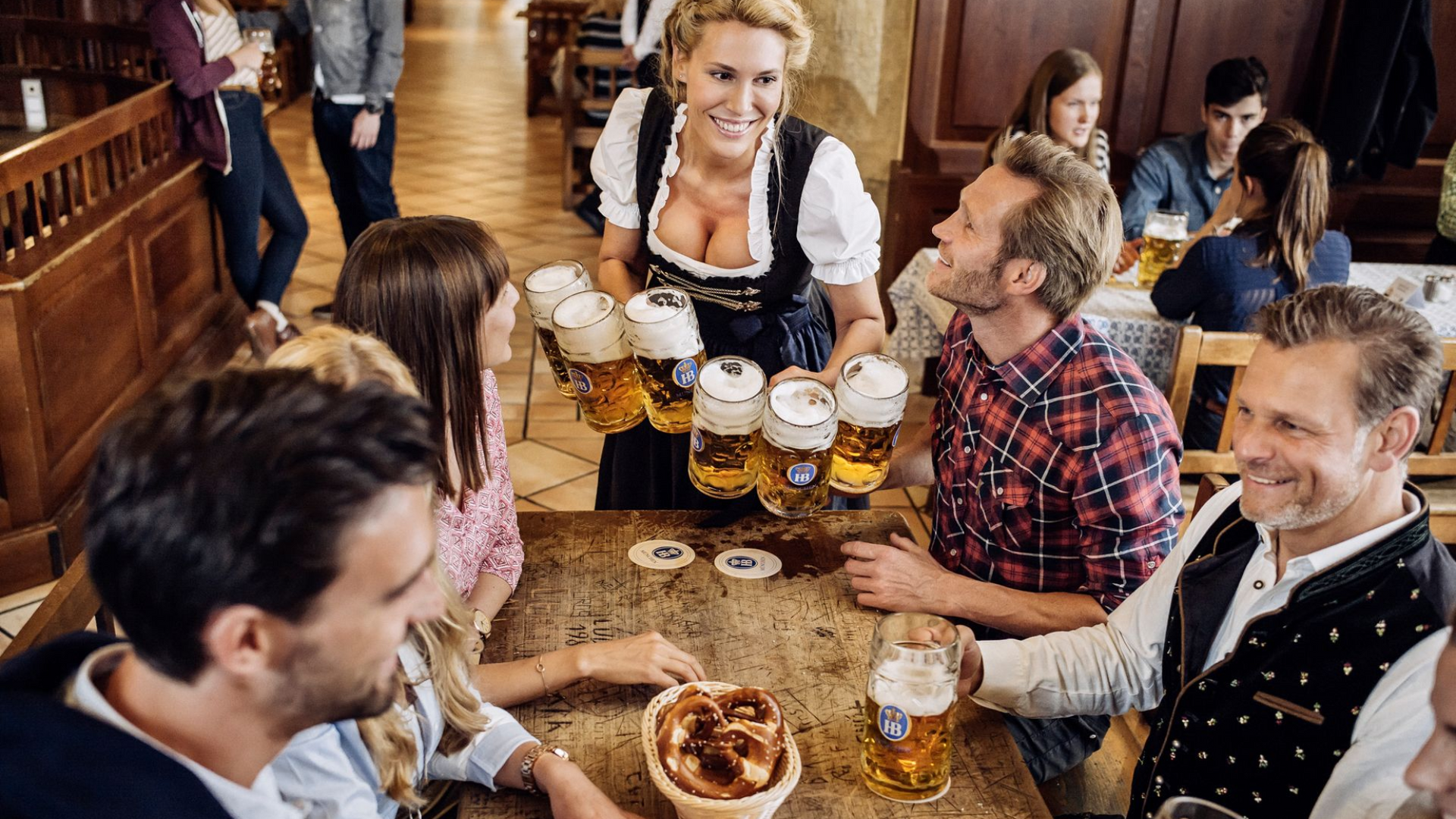
Friends clink beer mugs around a wooden table in a lively pub, with one server smiling at the center.
By Chad Tracy July 27, 2026
Half the fun of Oktoberfest Chicago is the outfit. Walk into Fulton Market during the fest, and you'll see a sea of lederhosen, dirndls, and knee-high socks, all part of the tradition that makes a Bavarian Festival Chicago experience feel like the real thing instead of just another beer garden. If you've never worn traditional German clothing before, figuring out what to wear to Oktoberfest can feel like a bigger project than it needs to be. This guide breaks down everything you need to know about Oktoberfest outfits, from the difference between a dirndl and a lederhosen to how they should actually fit, plus a few tips for pulling the whole look together before September 11. Why Oktoberfest Outfits Matter Costume culture isn't just a fun add-on at Chicago Oktoberfest; it's part of what makes the fest feel authentic. A German Festival Chicago experience is built on tradition, and dressing the part is one of the easiest ways to get into the spirit of it. There's also a costume contest running throughout the fest, so a well-put-together outfit can be more than just a good photo; it can win you something too. Lederhosen: The Basics What Is Lederhosen? Lederhosen are traditional Bavarian leather shorts or breeches, historically worn by men for outdoor work before becoming the go-to Oktoberfest uniform. They're typically made from deer, goat, or cowhide, held up with suspenders, and often paired with an embroidered front panel that adds a bit of flair to an otherwise simple design. How Lederhosen Should Fit A good pair of lederhosen should sit snug at the waist without digging in, and the length is really a matter of personal preference. Knee-length is the most traditional cut, while shorter styles have become more common at modern festivals. If you're shopping for Lederhosen, Chicago has plenty of pop-up and seasonal shops that carry a range of lengths and leather qualities, so it's worth trying a few on rather than guessing your size online. Styling Your Lederhosen Pair your lederhosen with a checkered or solid button-down shirt, tucked in, and finish the look with knee-high wool socks and a pair of sturdy boots or shoes you don't mind being on your feet in for hours. A traditional Bavarian hat with a feather is optional, but it's an easy way to round out the outfit if you want to lean further into the aesthetic. Dirndl: The Basics What Is a Dirndl? A dirndl is a traditional dress made up of a fitted bodice, a full skirt, and an apron, usually worn with a blouse underneath. It's the female counterpart to lederhosen and just as central to Oktoberfest tradition, with styles ranging from simple and modest to bold and elaborately embroidered. How a Dirndl Should Fit The bodice should sit close to the body without restricting movement, since you'll likely be dancing, holding a stein, or navigating a crowd for most of the day. Skirt lengths vary widely, so pick whatever feels most comfortable and true to your style rather than forcing a length that doesn't suit you. If you're looking at a Dirndl Chicago shop, ask about adjustable lacing on the bodice, since it makes fit far more forgiving than a rigid, pre-sized option. The Apron Bow Tradition One fun detail: where you tie your apron bow is said to signal your relationship status, at least according to Bavarian tradition. A bow on the left means you're single, a bow on the right means you're taken, a bow in the back means you're a widow, and a bow in the front center is generally reserved for children or waitstaff. It's a lighthearted detail, but it's a fun bit of trivia to bring up over a stein. Building Out the Rest of Your Oktoberfest Costume Footwear Comfort matters more than style here. You'll be standing, dancing, and walking around Fulton Market for hours, so choose shoes you've already broken in rather than something new for the occasion. Accessories Simple additions go a long way. Suspenders, a feathered hat, a pretzel-shaped pin, or a floral hair wreath for dirndl-wearers are all easy ways to elevate a basic outfit without much extra effort or cost. Layering for Chicago Weather September in Chicago can swing from warm afternoons to cool evenings, so plan accordingly. A light jacket or cardigan that still works with your outfit is worth packing, especially if you're staying late into the night for the live band and DJ sets. Where to Find Lederhosen and Dirndls in Chicago If you don't already own traditional German clothing, you don't need to worry. Fulton Market Oktoberfest offers on-site options if you show up without an outfit, so you can still join in on the costume contest and get the full experience even if you didn't plan. That said, if you want a wider selection or a specific fit, it's worth looking into a Lederhosen Shop or Dirndl Shop ahead of time, since options tend to sell out closer to September. Final Tips Before You Go Try your outfit on ahead of time, not the morning of. Break in your shoes beforehand, and pack a light layer for later in the evening. Beyond that, don't overthink it: the goal is to have fun and lean into the tradition, not to get every detail perfect. Get Ready for Oktoberfest Chicago 2026 Now that you know what to wear to Oktoberfest, all that's left is picking your outfit and marking your calendar. Chicago Oktoberfest 2026 returns to Fulton Market on Friday, September 11, 2026, for five weeks only, and tickets haven't dropped yet. Join the waitlist today to be the first to know when Oktoberfest Chicago tickets are available , and get ready to show up in your best lederhosen or dirndl. FAQs Do I need to wear lederhosen or a dirndl to attend? No, traditional attire isn't required, but it's a big part of the fun and the fest's costume contest. What if I don't have Oktoberfest attire? Dirndls and lederhosen are available on-site if you don't have your own outfit ready. What's the difference between a dirndl and a Bavarian dress? A dirndl is a specific style of traditional Bavarian dress made up of a bodice, skirt, and apron, so the terms are generally used interchangeably. Are lederhosen only for men? Traditionally yes, though some festival-goers mix and match pieces to create their own take on the look. Where can I buy lederhosen or a dirndl in Chicago? Local costume and seasonal shops carry both, and on-site options are also available at the fest itself.