Oktoberfest Chicago vs Munich: What's the Difference?
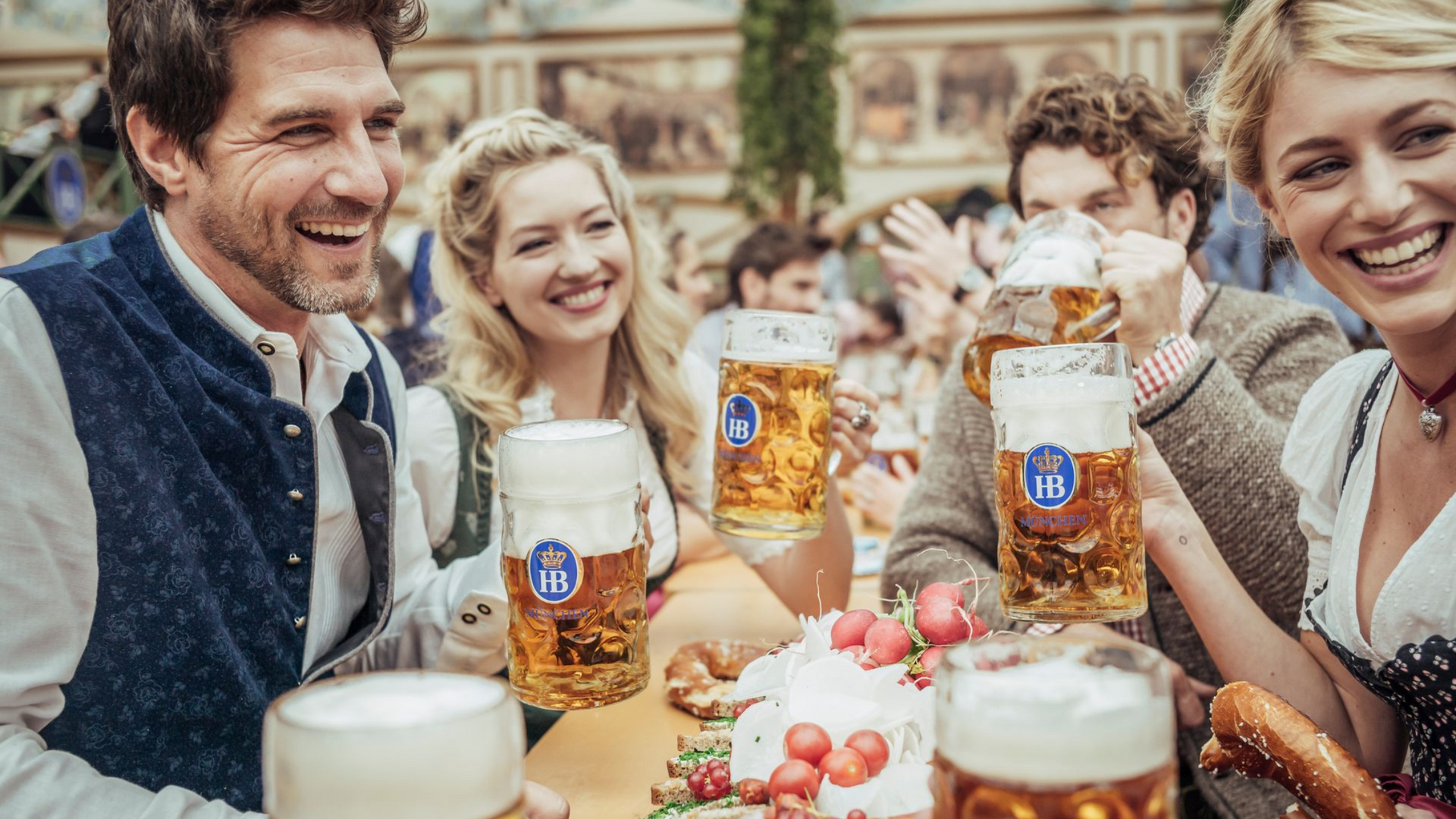
Every fall, two versions of the same tradition draw millions of people toward a stein of beer and a plate of bratwurst: the original Oktoberfest in Munich and the growing wave of celebrations it inspired around the world, including Oktoberfest Chicago. If you've experienced one but not the other, or you're just curious how a Chicago Oktoberfest stacks up against the real thing, it's a fair question. They share the same roots, but the scale, setting, and day-to-day experience look pretty different.
Here's a full breakdown of how Oktoberfest Chicago compares to Munich's original celebration, so you know exactly what to expect from each.
The Origins of Each Celebration
Munich: Where It All Started
Munich's Oktoberfest dates back to 1810, when it began as a royal wedding celebration for Crown Prince Ludwig and Princess Therese of Saxony-Hildburghausen. Over two centuries later, it's grown into the largest folk festival in the world, held annually on the Theresienwiese fairgrounds, still known locally as the "Wiesn."
Chicago: A Modern Tribute to Tradition
Chicago Oktoberfest is a modern celebration built on that same Bavarian tradition, led by Mike Matushka, the original mastermind behind Hofbräuhaus Chicago. Rather than a centuries-old institution, it's a newer, five-week event set in Fulton Market, designed to bring authentic German Festival Chicago energy to a city with a long history of German immigration.
Size and Scale
Munich's Massive Footprint
Munich's Oktoberfest spans an enormous fairground with more than a dozen major beer tents, some capable of holding thousands of people at once, alongside carnival rides, food stalls, and parades that draw crowds from around the world for over two weeks each fall.
Chicago's Neighborhood Feel
Chicago Oktoberfest 2026 takes a different approach, running for five weeks in Fulton Market, one of the city's most walkable and design-forward neighborhoods. It trades Munich's sprawling scale for a more concentrated, neighborhood-driven experience, which makes it easier to see and do everything in a single visit without navigating fairground-sized crowds.
The Beer
Munich's Big Six Breweries
At the original festival, only six official Munich breweries are permitted to serve beer under the Oktoberfest name, each brewing a special stronger seasonal batch specifically for the event.
Hofbräuhaus München at Fulton Market
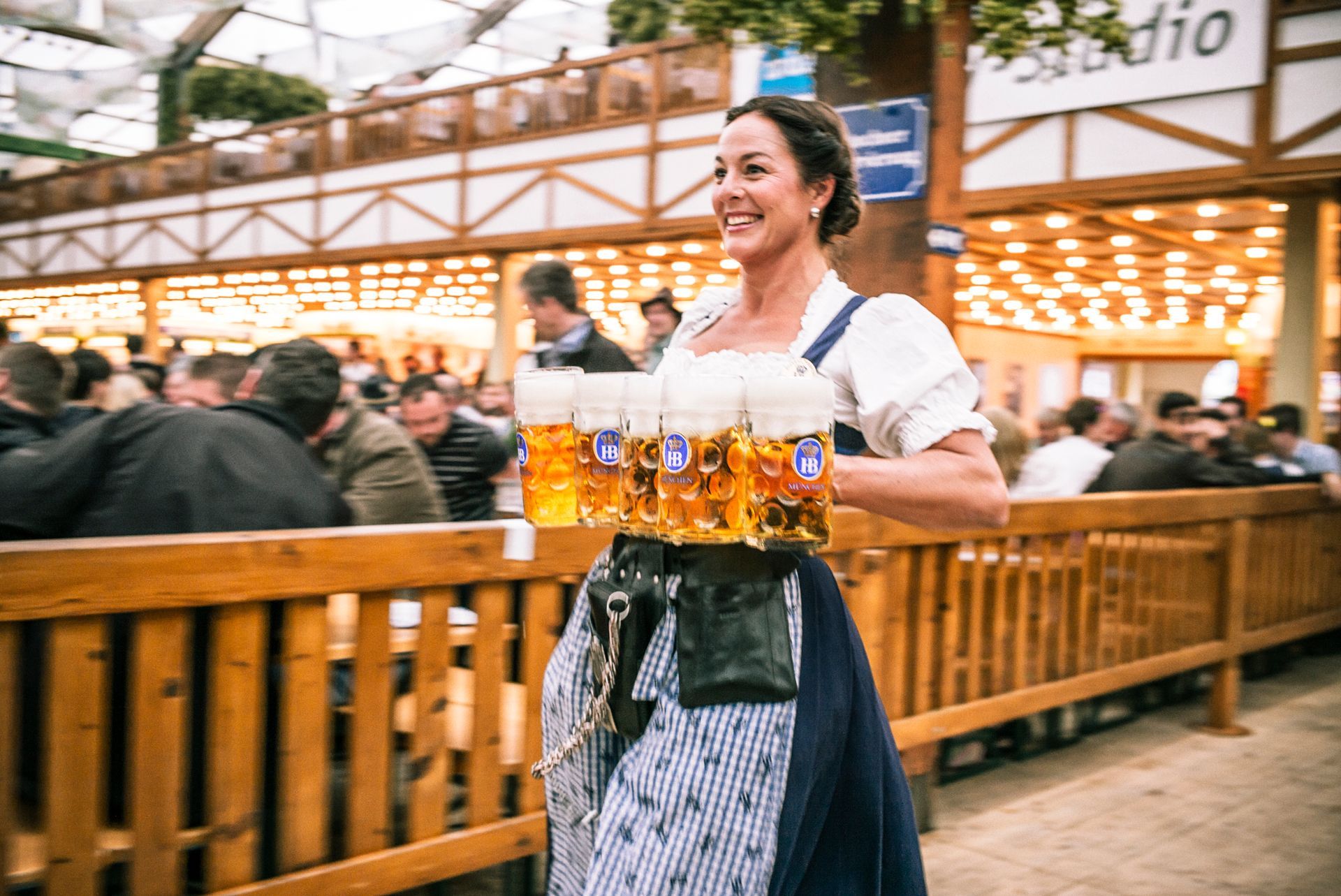
Chicago Oktoberfest keeps the connection to Munich authentic by pouring beer directly from Hofbräuhaus München, one of Munich's most iconic breweries, brewed under the Bavarian Purity Law of 1516. It's a meaningful detail for anyone comparing Chicago beer festival options, since a lot of Oktoberfest-branded events in the U.S. serve domestic beer with little connection to Germany at all.
Food and Drink
Traditional Bavarian Fare in Both Cities
Both celebrations lean on the same core lineup: bratwurst, pretzels, and hearty German dishes built for sharing over a long table. Munich's version includes an even wider range of regional specialties given its scale, while Chicago focuses on the crowd favorites that define the experience.
Cocktails and Modern Additions in Chicago
Chicago Oktoberfest also adds a few modern touches to the drink menu, including Prost Punch, spiced apple cider mules, and cinnamon schnapps, giving guests festive options beyond just beer. It's a small departure from Munich's more beer-centric approach, and one that makes the fest a bit more approachable for a mixed group.
Entertainment and Activities
Munich's Time-Honored Traditions
Munich's Oktoberfest features a traditional opening ceremony, a costume and riflemen's parade, carnival rides, and Oompah bands performing inside each beer tent throughout the day.
Chicago's Take on the Classics
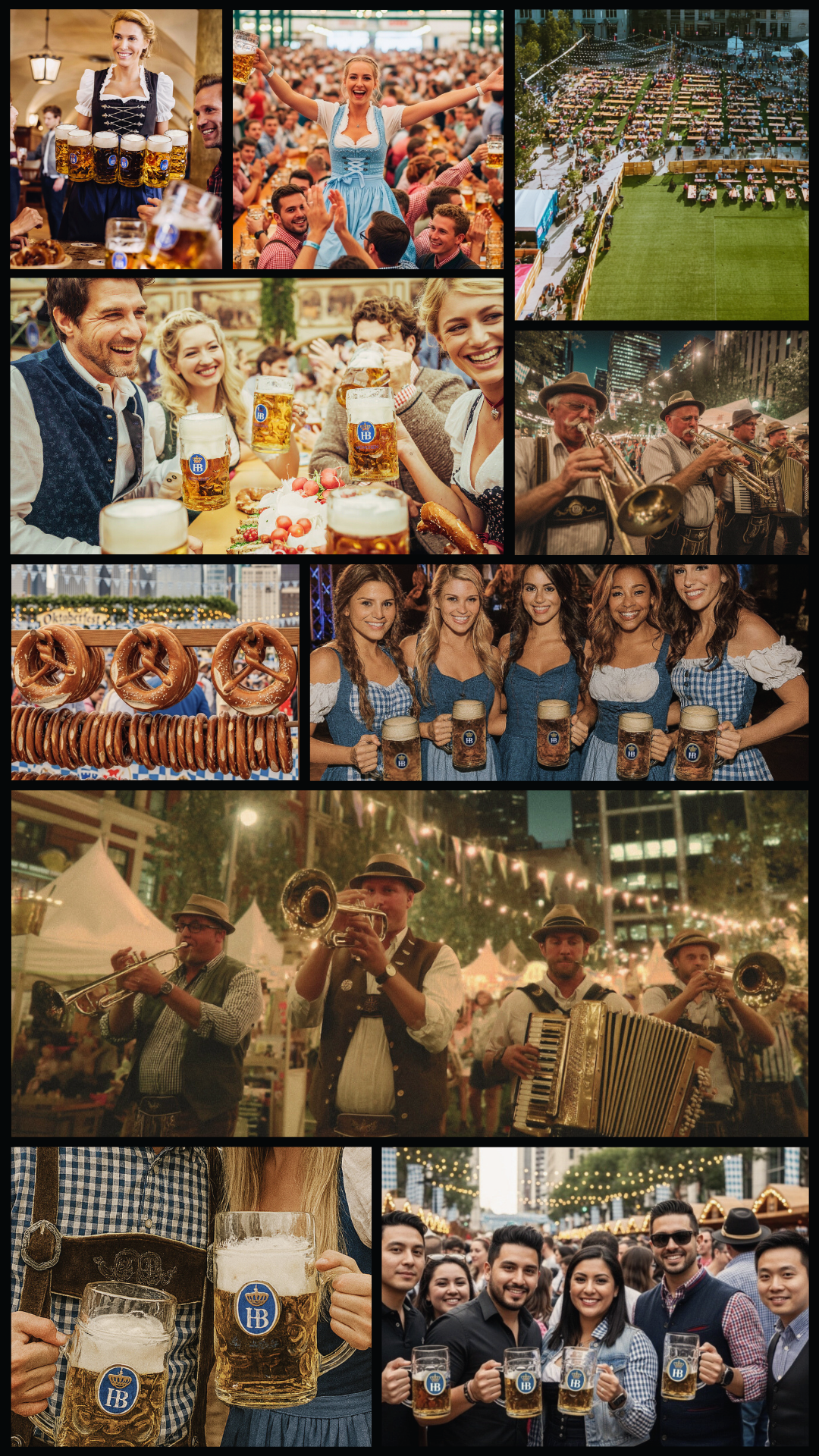
Chicago Oktoberfest brings many of the same elements into a smaller footprint, including live German bands, DJ sets, stein-holding contests, and carnival games. It also adds its own signature moment with The Devil's Wheel, a game of chance and dares that's become one of the more talked-about parts of the Chicago experience.
Attire and Costume Culture
A Shared Love of Lederhosen and Dirndls
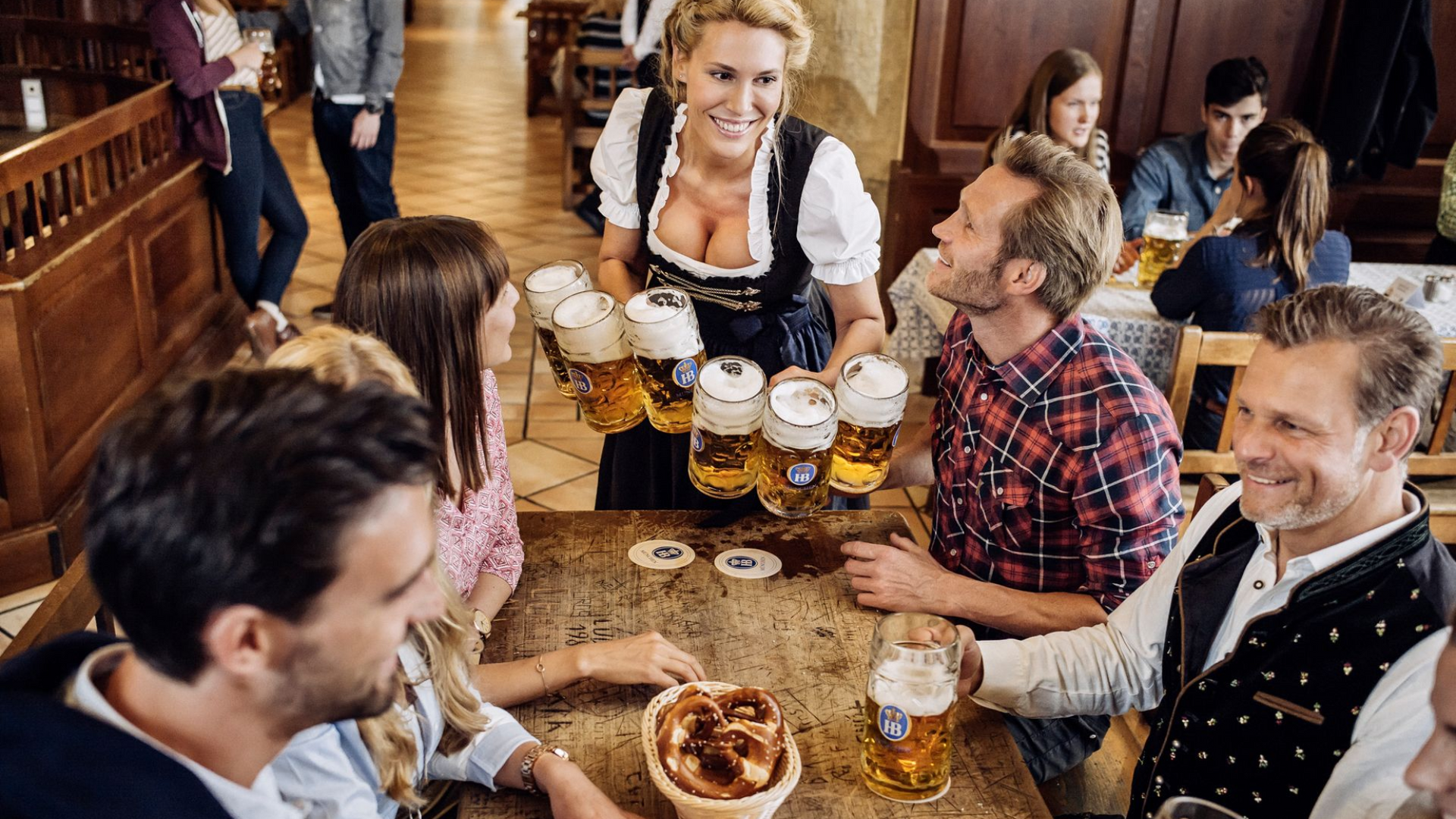
Both celebrations lean heavily on traditional Bavarian clothing, with lederhosen and dirndls worn by a large share of attendees at each event. Munich's costume culture runs deep, given the festival's history, while Chicago Oktoberfest outfits follow the same spirit, backed by a costume contest that rewards attendees who go all in on the look.
Accessibility and Convenience
Munich Requires More Planning
Attending Munich's Oktoberfest usually means international travel, planning for tent reservations, and navigating a festival that can draw over six million visitors across its run.
Chicago Offers a Closer-to-Home Alternative
For anyone who can't make the trip to Germany, Oktoberfest Chicago offers a way to experience many of the same traditions without leaving the Midwest. It's a big part of why it's become one of the best things to do in Chicago in September, and one of the more popular fall festivals Chicago has to offer.
So, Which One Should You Choose?
If international travel, a multi-week trip, and the chance to stand inside Munich's original tents are on the table, nothing fully replaces the real thing. But if you're looking for an authentic, well-executed Bavarian Festival Chicago experience without booking a flight, Chicago Oktoberfest delivers many of the same core elements: real Hofbräuhaus München beer, live German bands, traditional food, and a costume culture that takes the tradition seriously.
Experience Oktoberfest, Chicago-Style
Chicago Oktoberfest 2026 returns to Fulton Market on Friday, September 11, 2026, for five weeks only, bringing genuine Munich tradition to one of the city's most exciting fall events. Join the waitlist today to be the first to know when Oktoberfest Chicago tickets go live.
FAQs
Is Oktoberfest Chicago the same as Munich's Oktoberfest?
No, but it draws directly on the same traditions, including imported Hofbräuhaus München beer, live German bands, and traditional Bavarian attire.
Which is bigger, Munich or Chicago Oktoberfest?
Munich's Oktoberfest is significantly larger, spanning a massive fairground and drawing millions of visitors, while Chicago Oktoberfest offers a more concentrated, neighborhood-based experience in Fulton Market.
Does Chicago Oktoberfest serve real German beer?
Yes, it pours beer directly from Hofbräuhaus München, brewed under Bavaria's 1516 Purity Law.
Is it worth attending Oktoberfest Chicago if I can't travel to Munich?
Yes, it's designed to bring authentic Bavarian traditions to Chicago for anyone who wants the experience without international travel.
When does Oktoberfest Chicago 2026 take place?
It returns to Fulton Market on Friday, September 11, 2026, for five weeks only.